November 9, 2026
Improving your home's siding is more than an aesthetic upgrade; it is a strategic investment in protecting property value and building long-term equity. While some homeowners consider completing siding projects themselves or hiring inexperienced installers to reduce expenses, working with a certified residential siding contractor offers important advantages. Professional installation helps protect against moisture damage, improves exterior durability, and supports energy efficiency. Understanding how quality materials, skilled workmanship, and proper maintenance contribute to property value allows homeowners to make informed decisions about their investments.
Quality Workmanship and Materials
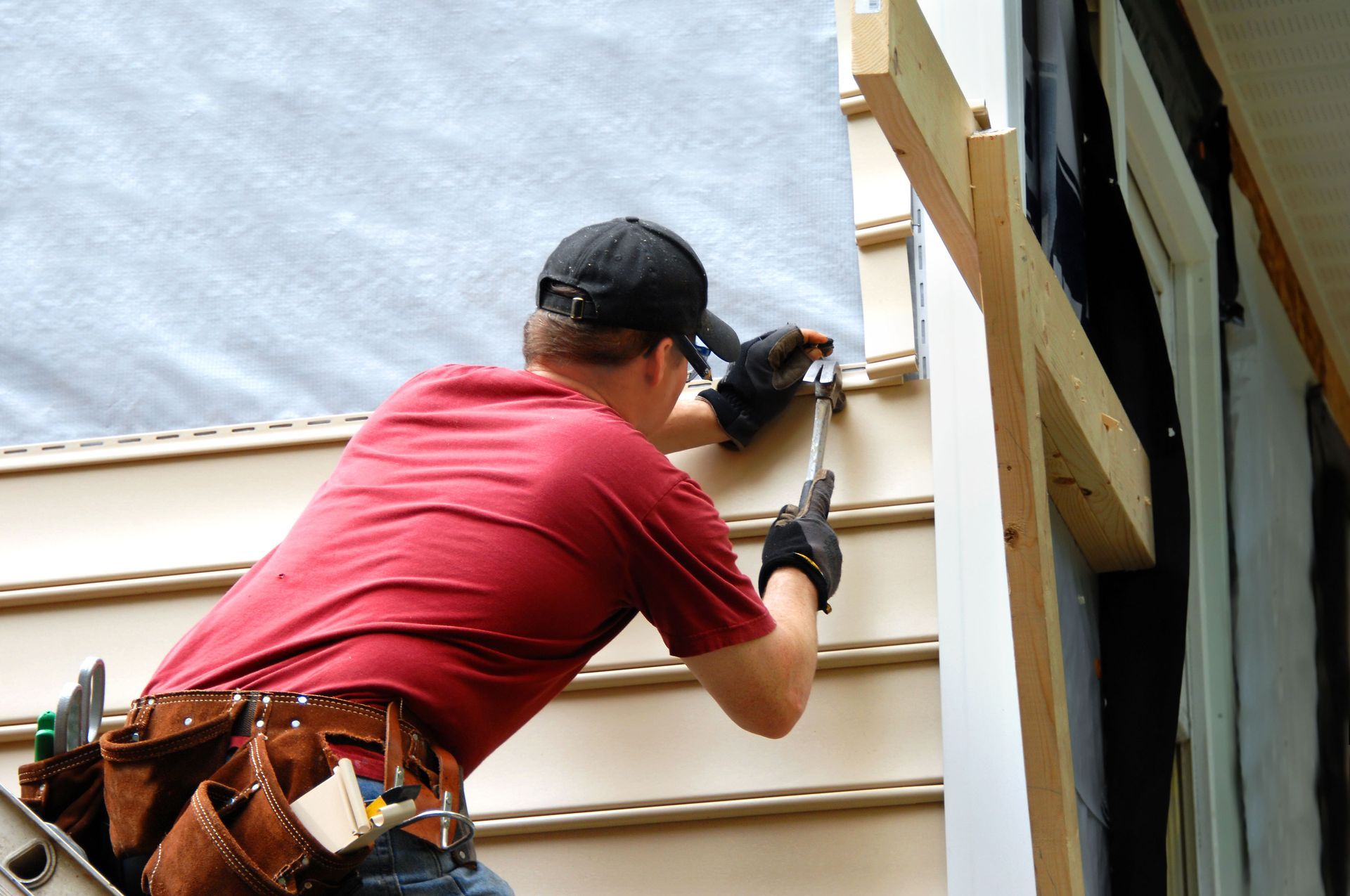
Superior craftsmanship is essential to achieving a durable, attractive exterior. A certified residential siding contractor understands proper installation techniques, fastening requirements, ventilation considerations, and moisture management. These skills help prevent common problems such as loose panels, uneven surfaces, and water infiltration. Professional installers can also identify underlying structural concerns before installing new materials, reducing the likelihood of expensive repairs.
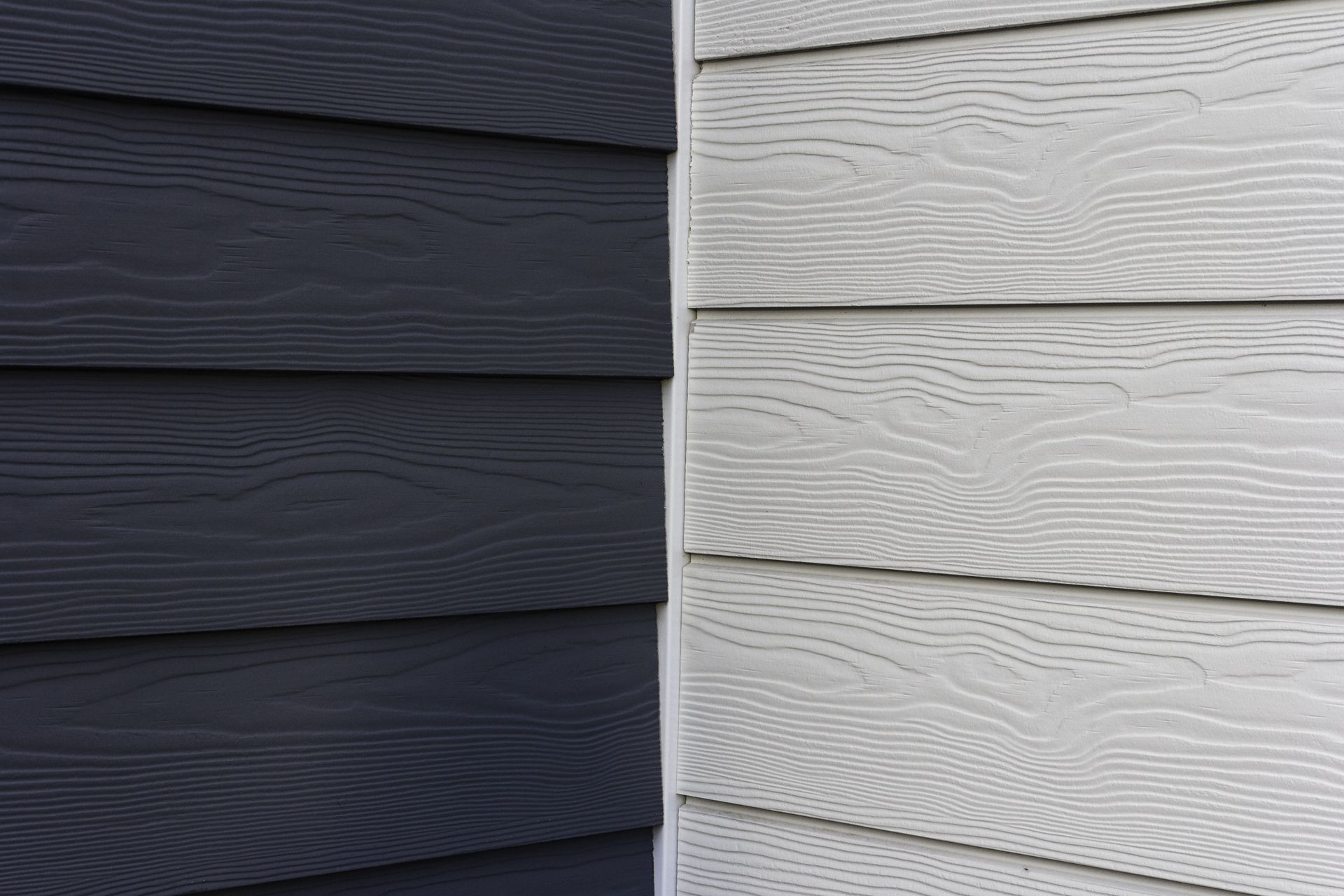
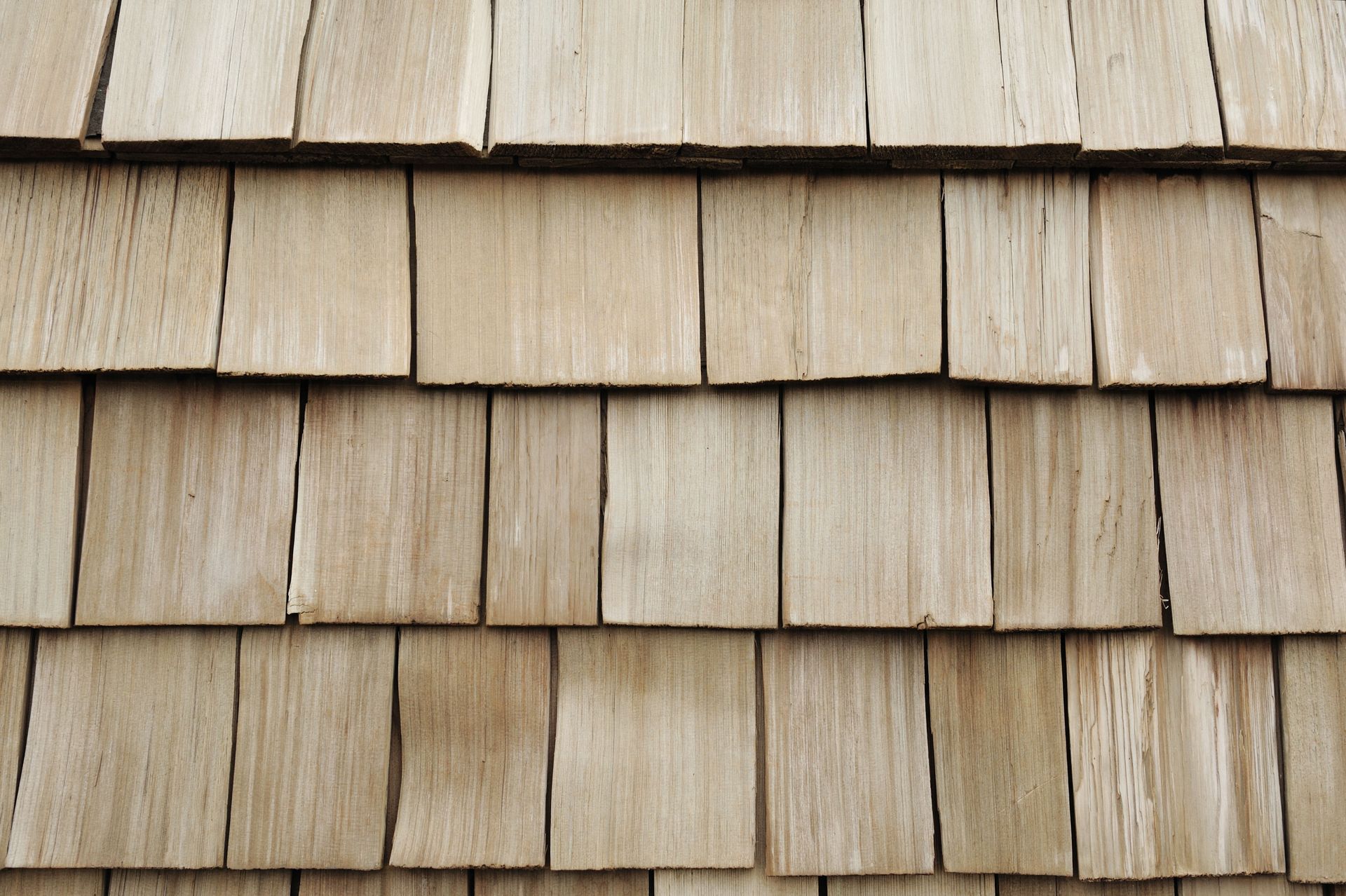
Material selection is equally important. Fiber cement, vinyl, engineered wood, and metal siding offer different advantages depending on climate, budget, and maintenance preferences. According to This Old House, fiber cement siding can last approximately 30 to 50 years, making it a durable option for many homeowners. Choosing appropriate materials helps maintain exterior appearance while reducing premature replacement expenses.
Inferior materials and improper installation can lead to moisture intrusion, pest damage, and structural deterioration. These problems often create recurring maintenance expenses that outweigh initial savings. Certified installers who follow manufacturer requirements can help homeowners avoid preventable installation defects.
Certification Standards and Warranty Protection
Certification provides homeowners with another consideration when evaluating siding professionals. Manufacturer-certified installers may complete specialized training covering approved installation methods, product handling, and warranty requirements. However, certification standards vary, so homeowners should verify credentials, licensing, insurance coverage, and previous project experience before hiring.
Working with a qualified residential siding contractor may also provide access to workmanship guarantees and manufacturer warranties. These protections can help address qualifying defects or installation problems, although coverage depends on specific contract terms. Homeowners should request written documentation explaining warranty duration, exclusions, and maintenance responsibilities.
Detailed estimates and clearly defined project expectations further protect homeowners. A comprehensive agreement should identify materials, labor costs, installation timelines, cleanup responsibilities, and procedures for addressing unexpected repairs. Transparent communication helps prevent misunderstandings and supports a more predictable renovation experience.
Impact on Property Value and Curb Appeal
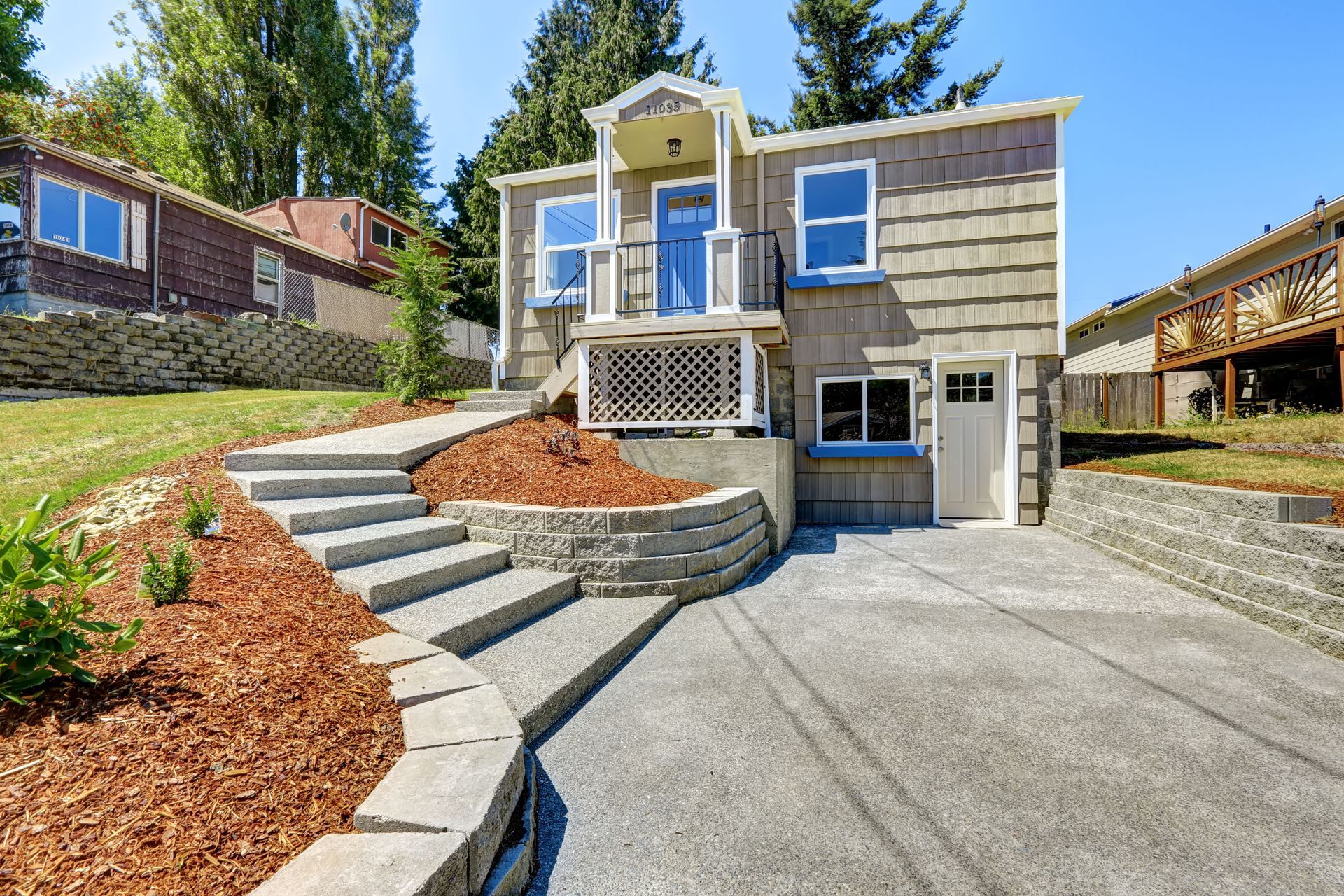
Exterior siding significantly influences how potential buyers perceive a property. Clean, attractive siding creates a positive first impression and suggests that the home has received consistent maintenance. Updated colors, coordinated trim, and properly installed panels can modernize an aging exterior while complementing its architectural character.
Professionally installed siding may also contribute to stronger resale appeal. Buyers frequently consider exterior condition when evaluating anticipated maintenance expenses. A home featuring durable materials and documented installation work may appear more attractive than a comparable property requiring immediate exterior repairs.
Although siding replacement does not guarantee a particular increase in appraisal value, it can support marketability and help preserve existing equity. Local housing conditions, installation expenses, material choices, and property characteristics influence the actual return on investment.
Homeowners should prioritize timeless colors and designs that complement surrounding properties. Neutral finishes, balanced textures, and consistent detailing can appeal to a wider range of prospective buyers without requiring frequent cosmetic updates.
Energy Efficiency and Long-Term Savings
Energy efficiency is another important consideration when planning siding improvements. While exterior cladding primarily protects against weather, the complete wall assembly can influence heating and cooling performance. Insulation, air sealing, weather-resistant barriers, and proper installation work together to reduce unwanted heat transfer and air leakage.
An experienced residential siding contractor can evaluate opportunities to incorporate insulated siding or additional exterior insulation during replacement. Addressing gaps around windows, doors, and wall penetrations may also improve indoor comfort when completed using appropriate building practices.
These improvements can reduce unnecessary strain on heating and cooling equipment, potentially lowering utility expenses. Actual savings depend on existing insulation levels, local weather conditions, energy prices, and the scope of improvements.
Energy-conscious renovations may also appeal to environmentally aware buyers. Selecting durable products, minimizing construction waste, and improving thermal performance can support more sustainable homeownership. Homeowners should compare product specifications rather than assuming every siding material provides substantial insulation independently.
Increased Durability and Reduced Maintenance
Exterior siding faces continuous exposure to sunlight, rainfall, wind, temperature fluctuations, and seasonal moisture. Choosing materials designed for local environmental conditions helps reduce deterioration and protect underlying walls.
Fiber cement offers resistance to several common environmental stressors, while vinyl siding provides relatively simple maintenance and numerous design options. Engineered wood can deliver a traditional appearance when installed and maintained according to manufacturer instructions. Each material requires appropriate fastening, flashing, drainage, and expansion allowances.
A certified residential siding contractor can explain how different products perform under regional weather conditions. Professional recommendations help homeowners balance appearance, maintenance requirements, durability, and installation expenses.
Modern siding products may feature factory-applied finishes, improved moisture resistance, and protective coatings that reduce routine upkeep. However, no exterior material is completely maintenance-free. Periodic cleaning, inspections, and prompt repairs remain important for extending service life.
Maintaining siding also protects the investment beyond its initial installation. Homeowners should inspect areas around windows, roof intersections, and exterior penetrations for signs of moisture or separation. Addressing small concerns promptly can prevent larger repairs and preserve exterior appearance.
Building Code Compliance and Installation Safety
Siding replacement involves more than attaching decorative materials to exterior walls. Depending on the project and jurisdiction, installation may require compliance with building codes, manufacturer specifications, fire-resistance requirements, and local permitting regulations.
Qualified contractors understand the importance of properly installed flashing, weather-resistant barriers, and secure fastening systems. These components help direct moisture away from vulnerable areas and protect the building envelope.
Safety also deserves careful attention. Siding projects frequently involve ladders, scaffolding, power tools, and elevated work areas. Contractors should follow applicable safety procedures and maintain appropriate insurance coverage to address potential workplace accidents.
Before hiring a residential siding contractor, homeowners should verify applicable licenses, request proof of liability insurance, and ask about workers' compensation coverage. Certification alone does not establish legal compliance or guarantee insurance protection.
Maintaining permits, inspection records, and installation documentation can also prove valuable during future property transactions. Organized records demonstrate responsible improvements and help prospective buyers understand the work completed.
Future-Proofing Against Market Changes
Housing preferences, material technologies, and exterior design trends evolve over time. Selecting adaptable, durable siding can help homeowners maintain a competitive property without pursuing every emerging architectural style.
Timeless finishes and carefully coordinated exterior features generally offer greater design flexibility than highly specialized appearances. Homeowners should consider how siding colors, textures, and trim selections complement roofing, landscaping, and neighboring properties.
Technological improvements have also expanded available siding options. Fade-resistant finishes, advanced protective coatings, and improved installation accessories can contribute to longer-lasting exterior performance when selected and installed correctly.
Planning for future maintenance is equally valuable. Homeowners should retain product information, understand cleaning recommendations, and budget for occasional repairs. This proactive approach reduces unexpected expenses and helps protect the home's condition during changing market conditions.
Choosing the Right Contractor for Lasting Equity
Selecting a qualified professional requires evaluating more than the initial estimate. Homeowners should compare relevant certifications, references, installation experience, material recommendations, and warranty provisions. Reviewing completed projects can provide insight into workmanship quality and attention to detail.
A dependable residential siding contractor should explain the proposed installation process, identify potential concerns, and provide a detailed written estimate. Clear expectations regarding project scheduling, material delivery, debris removal, and final inspections can improve the overall experience.
Professionally installed siding offers an opportunity to improve exterior protection, enhance curb appeal, and manage long-term maintenance expenses. By prioritizing skilled installation, suitable materials, and responsible upkeep, homeowners can make improvements that support lasting property value and protect their investment for years to come. Contact our team at The Siding Guy today and learn more about our siding services.