November 10, 2026
Managing domestic utility expenditures requires a comprehensive evaluation of building physics, structural envelopes, and contemporary thermal boundary technologies. In modern residential structures, energy consumption often rises due to subtle air leakages and continuous conductive transfers occurring directly across peripheral assemblies. Traditional living spaces frequently suffer from erratic climate fluctuations, which place excessive mechanical strain upon heating and cooling appliances during peak seasons. Engaging a reputable home siding company provides homeowners with specialized architectural evaluations that uncover deep structural inefficiencies.
Exterior insulation systems work by wrapping a house in an unbroken protective blanket, keeping heat where it belongs before thermal bridge leakage compromises indoor equilibrium. Because these advanced protective materials install along exterior framing members, domestic living boundaries remain entirely undisturbed throughout structural revitalization processes. Families enjoy uninterrupted access to existing floor plans, preserving critical functional areas without sacrificing valuable square footage to bulky interior modifications.
Evaluating Thermal Dynamics and Envelope Performance
Constructing a truly energy-efficient living environment depends upon eliminating structural weaknesses known across building science as thermal bridges. Whenever outdoor cold or intense heat contacts uninsulated frame members, energy bypasses standard cavity fills and penetrates interior living areas. By positioning a specialized continuous thermal boundary over external sheathing, certified professionals stop conductive thermal leaks before they reach load-bearing frameworks. This method produces consistent indoor temperatures, eliminating cold spots alongside exterior walls and reducing draft sensations near critical structural junctures.
Achieving continuous thermal performance requires strict compliance with established building science guidelines and precise exterior cladding alignments. When property owners enlist a certified home siding company to oversee comprehensive envelope renovations, skilled technicians evaluate the home for structural air leakage and conductive loss. Modern thermal wraps and continuous rigid insulation boards elevate the effective thermal resistance of the entire wall assembly, surpassing the performance of conventional interior fills. Beyond regulating interior ambient climate levels, an exterior thermal envelope reduces ambient outdoor noise pollution, creating an exceptionally peaceful domestic environment. Homeowners who prioritize continuous thermal upgrades secure both immediate reductions in utility expenditures and lasting preservation of their structural framing.
Selecting Advanced Exterior Thermal Substrates
Choosing appropriate exterior insulation substrates requires navigating diverse technical specifications, moisture resistance ratings, and fire performance characteristics. Expanded polystyrene and extruded polystyrene remain prominent rigid board choices, delivering exceptional resistance to thermal transmission and subterranean moisture infiltration. Polyisocyanurate systems offer superior resistance values per inch of thickness, utilizing foil facings that reflect thermal radiation away from building perimeters. Mineral wool panels provide exceptional noncombustible properties and superior sound absorption, making them a preferred alternative in regions subject to wild temperature swings.
Insulation projects frequently combine rigid boards with versatile infill options to achieve maximum structural performance and long-term durability. Fiberglass can be easily installed in a variety of settings, including wall cavities, and is compatible with various siding types. According to Forbes, homes with vinyl siding can typically be cleaned using a pressure washer set between 2,500 and 3,000 PSI, ensuring maintenance does not compromise insulation efficacy. Homeowners looking for an economical yet effective option will find fiberglass insulation meets both durability and performance needs. Aligning these diverse materials into an integrated thermal envelope demands structural expertise, which is why hiring an experienced home siding company ensures your components function together properly without trapping destructive moisture inside wall cavities.
Upgrading Facades Through Specialized Cladding Systems
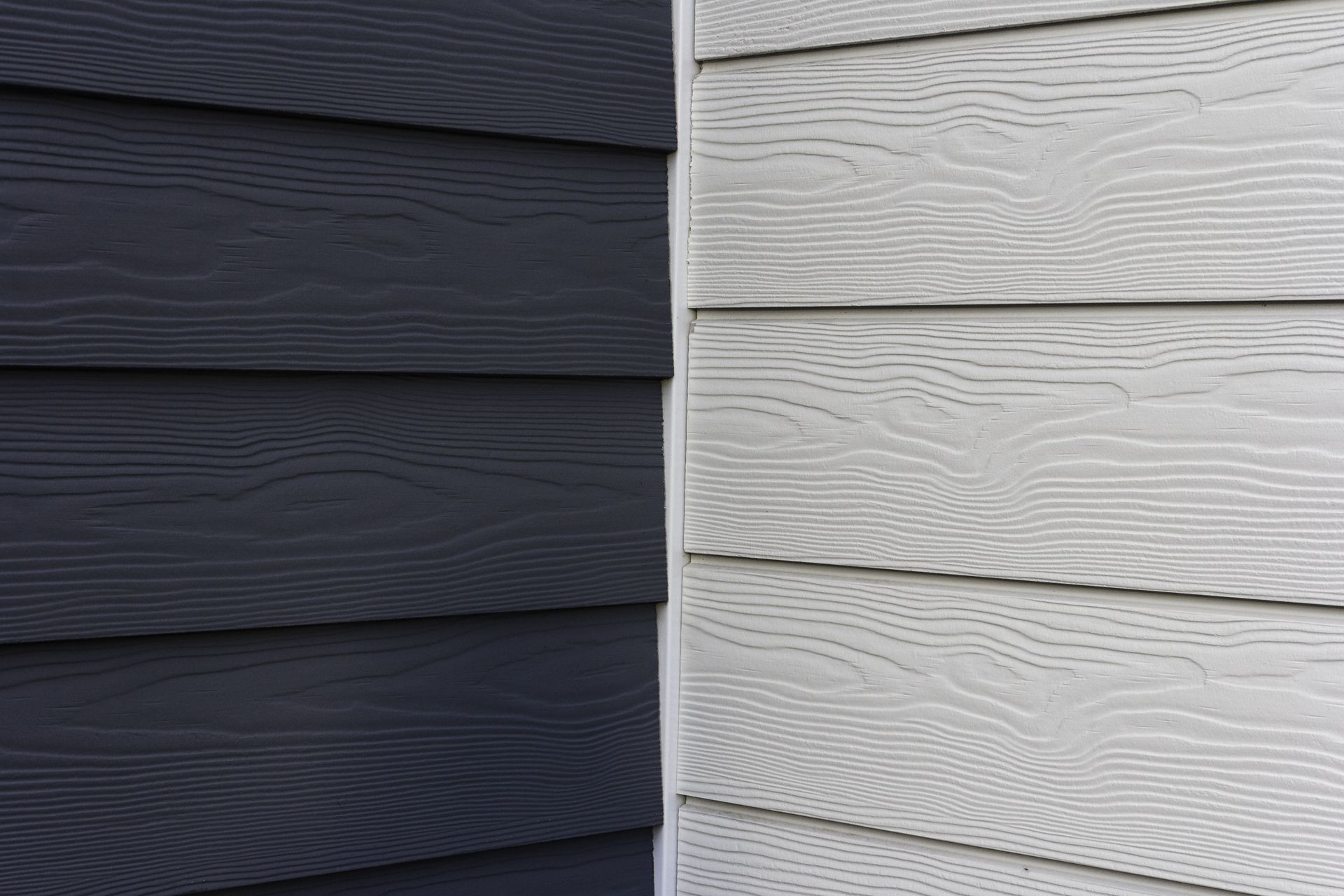
Modern insulated cladding systems streamline the integration of exterior building envelopes by merging aesthetic cladding and high-density foam backing into a single product. Factory-bonded contoured foam backing directly supports the profile of the panel, reinforcing exterior surfaces against heavy storm winds and external impacts. This manufacturing design eliminates the hollow spaces typically found behind traditional siding, increasing resistance to weather extremes and accidental exterior impacts. Siding systems with integrated insulation eliminate the need to balance separate thermal boards with complicated trim extensions around existing architectural windows and doors.
Contractors also utilize advanced retrofitting techniques to install specialized continuous insulation boards behind newly hung siding panels. This approach creates an opportunity to incorporate modern weather-resistant barriers that let water vapor escape from within structural walls while preventing wind-driven rainwater from entering. By integrating moisture wraps, continuous rigid insulation, and premium exterior cladding, contractors create a complete multi-layered drainage plane that protects underlying framing. Consulting an established home siding company helps homeowners pick cladding profiles and insulation thicknesses that match their regional wind load requirements and architectural styles. This multi-layered approach safeguards the structural health of the building, reduces heat loss, and enhances long-term curb appeal.
Implementing Rigorous Installation Standards and Techniques
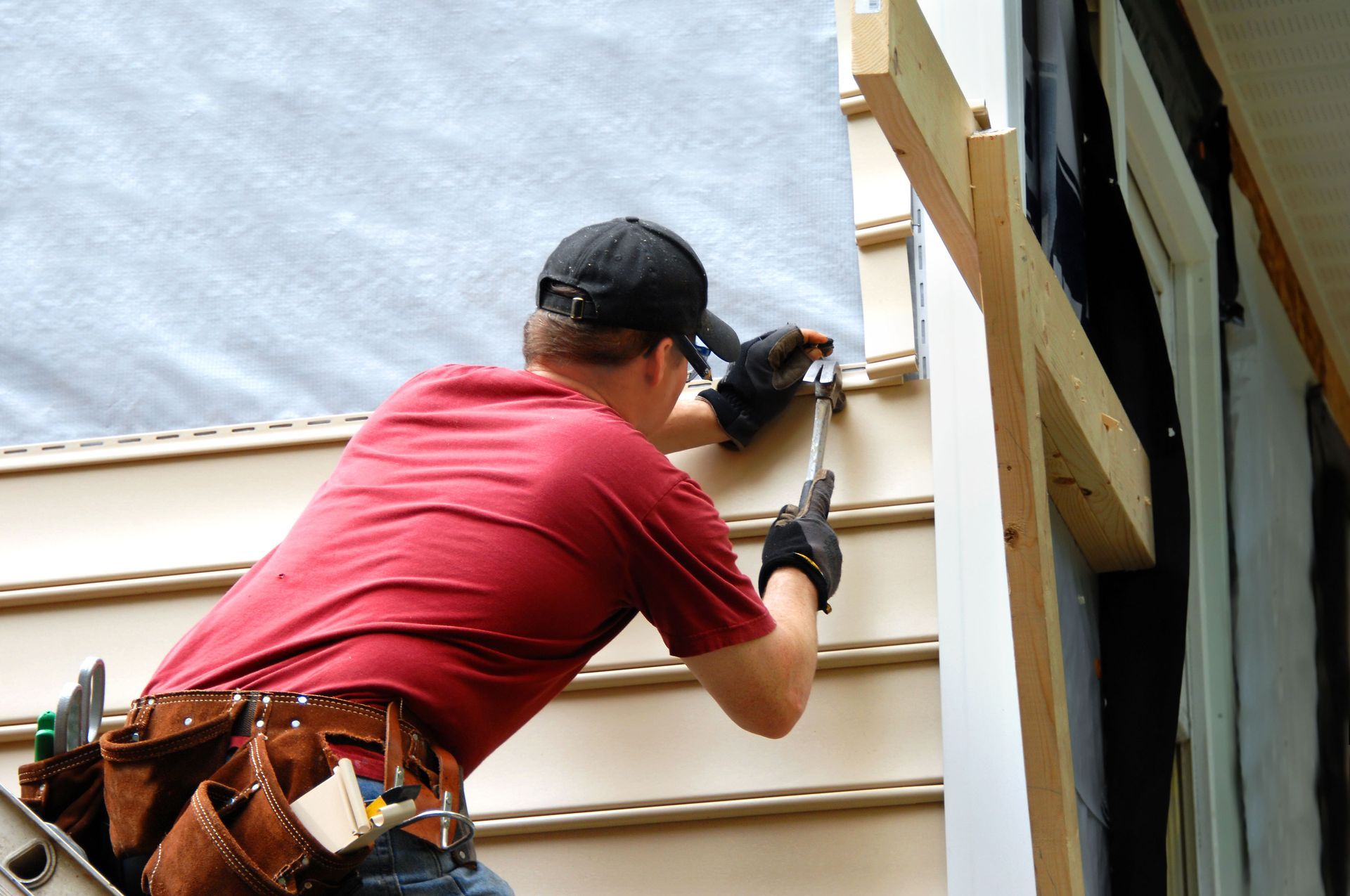
Installing exterior continuous insulation systems requires precision, strict adherence to local building codes, and specialized architectural techniques. Certified installation crews begin by stripping back worn exterior materials, carefully inspecting structural sheathing, and addressing any preexisting moisture concerns or framing defects. Fastener selection demands careful attention, as crews must use specialized, corrosion-resistant fasteners long enough to securely anchor insulation and exterior cladding deep into structural wall studs. Flashing around window openings, doors, and roof intersections must be handled with precision to prevent hidden water infiltration behind continuous thermal barriers.
Managing moisture migration remains one of the most critical aspects of any major exterior renovation project. Skilled technicians introduce designated rainscreen systems or ventilated drainage planes behind exterior siding, allowing incidental moisture to escape before touching interior sheathing. Furthermore, all seams across rigid insulation assemblies must be sealed with manufacturer-approved tapes and liquid flashing compounds to prevent drafts from undermining insulation values. Hiring an accredited home siding company ensures that every flashing integration, thermal barrier seam, and cladding fastener complies with stringent industry standards. Investing in certified professional craft guarantees that the exterior envelope will withstand extreme weather conditions, keeping structural components dry and energy bills consistently low.
Capitalizing on Financial Rebates and Long-Term Value
Investing in exterior thermal envelope modernizations yields lasting dividends through reduced monthly utility bills and sustained property value appreciation. Homes that feature advanced thermal barriers, weather-resistant protection, and updated siding consistently command higher resale prices in competitive residential real estate markets. Future buyers increasingly prioritize documented energy efficiency, recognizing that properly insulated building envelopes keep utility costs manageable over decades of ownership. Beyond daily operational savings, continuous exterior insulation protects structural lumber from intense seasonal temperature swings, reducing cyclic expansion and contraction while preserving the building frame.
Federal energy efficiency programs, local utility rebates, and state clean-energy initiatives provide financial incentives that help reduce the upfront cost of qualifying insulation improvements. These programs frequently offer direct cash incentives and tax credits for exterior envelope renovations that achieve verified reductions in building thermal bridging. Maximizing these financial opportunities requires detailed project invoices, certified manufacturer specification sheets, and installation records that meet all energy code requirements. Homeowners should consult an established home siding company to ensure that selected materials satisfy regional program criteria and that all installation documentation is properly compiled.
Reducing ongoing utility expenditures and securing a durable exterior begins with a comprehensive structural assessment by certified industry experts. Exterior insulation upgrades defend residential envelopes against seasonal thermal transfers, prevent draft issues, and guard framing assemblies against structural moisture damage. Modernizing an exterior facade with continuous thermal materials transforms the home into an energy-efficient living environment that costs far less to heat and cool throughout the year. Collaborating with an experienced
home siding company ensures that every insulation layer, drainage membrane, and cladding profile is installed with the technical accuracy required for lasting performance.
Transforming an underperforming residential envelope into a durable, energy-efficient structure requires expert guidance, professional craftsmanship, and high-performance exterior materials. For homeowners seeking to lower their seasonal utility costs while enhancing curb appeal, The Siding Guy provides industry-leading exterior renovation services tailored to your regional climate. Our specialized installation specialists carefully evaluate your existing framing, identify hidden thermal bridges, and install continuous insulation systems designed to deliver lasting energy savings. Contact us today to schedule your comprehensive on-site consultation and discover how custom exterior insulation upgrades can lower your utility bills and elevate your everyday home comfort.