February 3, 2026
In today's world, energy efficiency is more than just a buzzword. It represents real savings and comfort for homeowners worldwide. This notion expands beyond merely choosing energy-efficient appliances; it requires a comprehensive evaluation of your home's structure. One overlooked aspect of enhancing energy efficiency is upgrading your home's siding.
New siding offers an opportunity to address many inefficiencies that could be costing homeowners in terms of energy consumption. Beyond aesthetics, the right siding can help reduce heating and cooling costs, improving the overall comfort and sustainability of your home. As awareness around the need to limit energy consumption grows, siding improvements become not only beneficial but also indispensable.
In this article, we will explore how new siding can substantially improve your home's energy efficiency. We will examine different materials, discuss the benefits, and guide you through the process of selection and installation. By understanding the importance of siding, you can make informed decisions to enhance your home's performance and value.
What Are the Benefits of Energy-Efficient Siding?
New siding brings a wealth of benefits to homeowners, starting with improved insulation properties. Effective siding acts as a formidable barrier against the elements, maintaining interior temperatures more steadily. This enhanced insulation plays a critical role in minimizing heating and cooling fluctuations within your home. According to Today's Homeowner, new siding can lower heating bills by an estimated 8%, offering tangible cost savings.
Cost savings on energy bills are another compelling reason to invest in new siding. With heating and cooling representing significant portions of monthly utility expenses, every percentage saved translates to substantial economic advantages. This economic benefit complements the ecological responsibility, as each kWh saved reduces your home's carbon footprint. Over time, homeowners will recoup their investment in siding installation through these reduced energy costs.
Aside from immediate economic and environmental benefits, energy-efficient siding enhances home value by modernizing its appearance and efficiency. Whether planning to sell in the near future or adding long-term value, improved siding increases curb appeal and attracts environmentally conscious buyers. Additionally, enhanced structural protection extends the lifespan of the building, preserving its value. As more buyers seek energy-efficient homes, siding improvements become an investment in your property's future.
How Does New Siding Improve Insulation?
When considering how new siding improves insulation, the types of insulated siding available are a vital starting point. Composite and vinyl sidings offer layers engineered to enhance thermal performance. These sidings minimize the transfer of heat between the home's interior and exterior, stabilizing indoor temperatures. Selecting the right type of insulated siding is crucial to achieving the desired balance between aesthetic appeal and thermal efficiency.
One of the primary benefits of installing new siding is the reduction of thermal bridging. This phenomenon occurs when external temperatures penetrate the building structure, affecting interior temperatures. Installing insulated siding creates a continuous barrier that lowers the effects of thermal bridging, reducing energy waste. Additionally, a professional residential siding contractor can ensure the installation proceeds without compromising this thermal barrier.
Furthermore, new siding plays a critical role in moisture control, preventing moisture-related energy loss. Properly installed siding inhibits water ingress, reducing chances of mold and increased humidity levels, which can spike energy consumption. Moisture-resistant sidings protect the building's envelope, maintaining optimal conditions for insulation materials. Thus, siding contributes to sustaining energy-efficient heating and cooling environments year-round.
Which Siding Materials Are Best for Energy Efficiency?
Among various siding options, vinyl siding stands out for its excellent energy performance and affordability. Vinyl is made from PVC and is enhanced with insulation material to prevent heat loss. This option offers versatile design choices and low maintenance, making it appealing for many homeowners. A residential siding contractor can help in selecting the style that compliments your home while maintaining energy goals.
Fiber cement siding is another option, combining durability with thermal efficiency. It is made from a mixture of sand, cement, and cellulose fibers, providing excellent resistance to heat transfer. While initially costlier than vinyl, it offers long-term savings due to its robustness and performance. Its ability to mimic wood also makes it a popular aesthetic choice among environmentally-conscious homeowners.
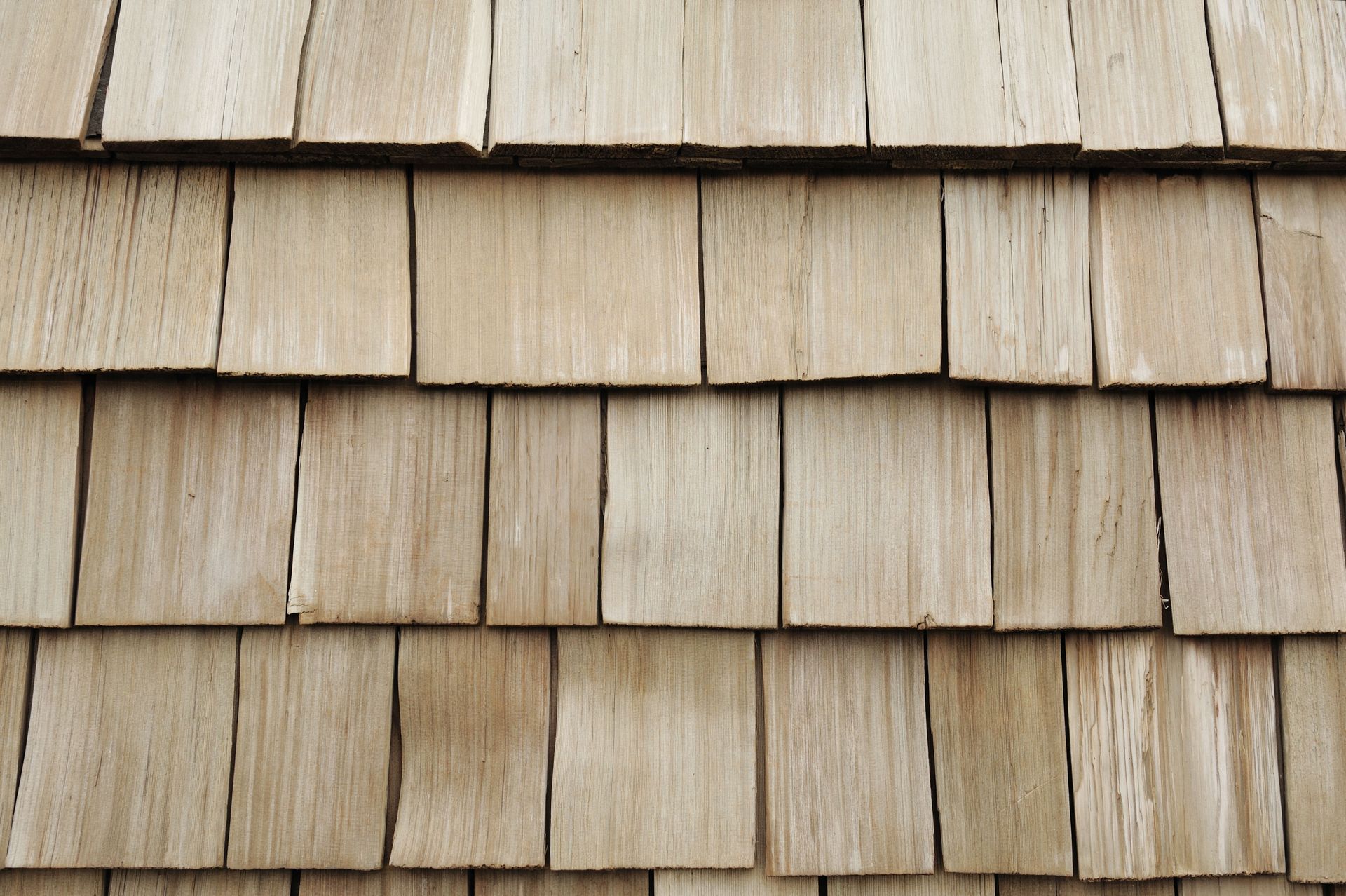
Wood siding alternatives, such as engineered wood, offer natural insulation properties with a classic appearance. These materials are designed for strength and energy efficiency, reducing energy consumption over time. Metal siding solutions, though less common, provide sleek aesthetics with high energy performance when properly insulated. Each material offers unique benefits, necessitating personalized consultation with a siding expert.
How to Choose the Right Residential Siding Contractor?
Selecting the right residential siding contractor ensures a successful installation process. Start by researching several companies and obtaining referrals from trusted sources, prioritizing those with a solid track record in energy-efficient installations. Online reviews and recommendations from family or friends can provide insights into the contractor's reputation and reliability. Investing time in preliminary research pays off by identifying contractors with proven expertise.
Verification of credentials is an essential step before sealing the deal with a contractor. Look for their certifications, licenses, and insurance information, which indicates professionalism and accountability. Ensure the contractor is committed to industry standards and practices, particularly in energy-efficient installations. A reputable contractor will willingly provide proof of these credentials, allowing you to proceed with confidence.
Furthermore, evaluating past work provides a glimpse into the quality of the contractor's craftsmanship. Requesting examples of similar projects, along with customer testimonials, can offer a perspective on their skill level and attention to detail. After reviewing past work, obtain and compare multiple quotes to weigh costs against offered services. This balanced approach aids in selecting a contractor who aligns with your budget and energy efficiency goals.
What to Expect During the Installation Process?
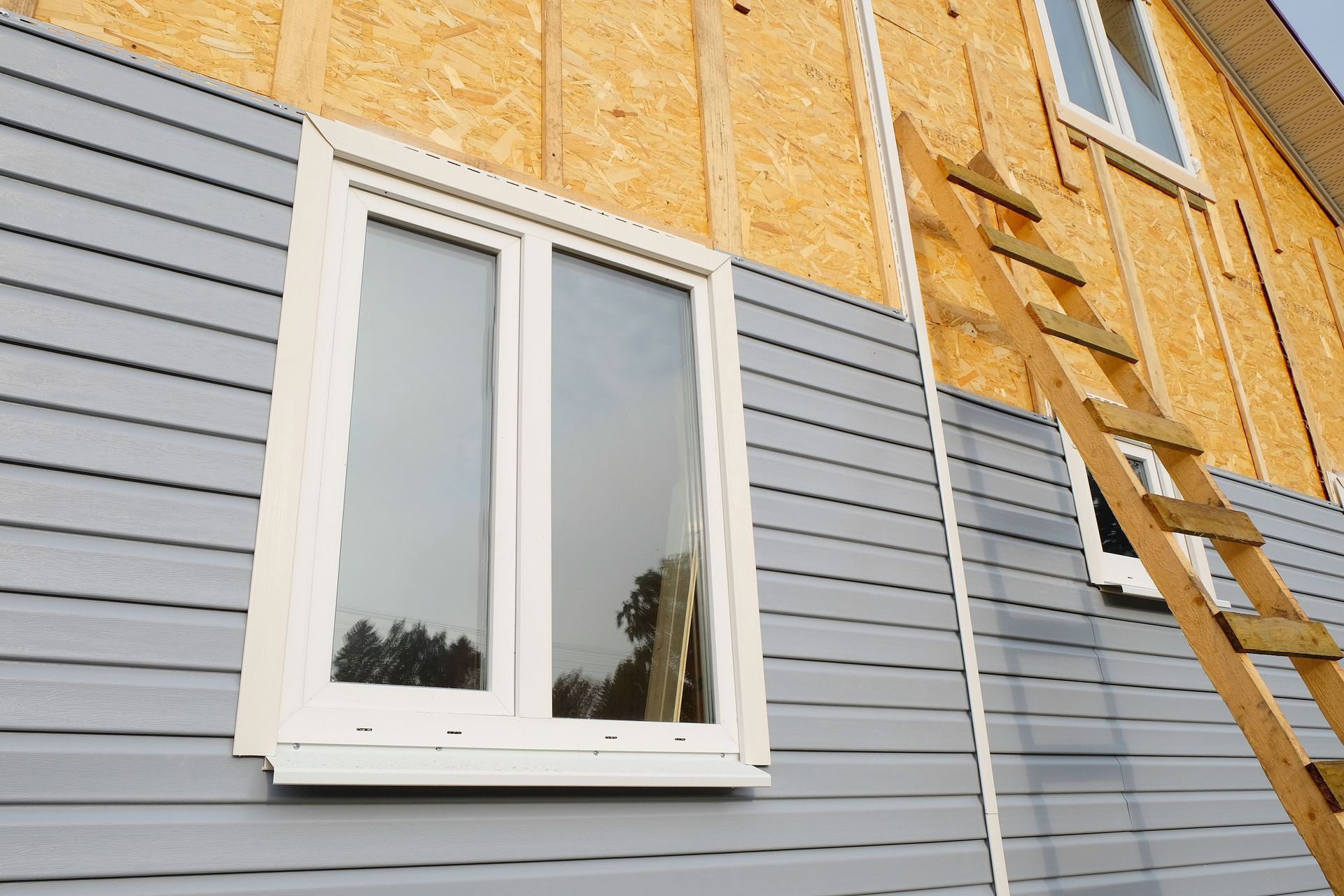
The installation process begins with comprehensive pre-installation preparation, ensuring your home is ready for updated siding. A professional contractor will assess existing wall conditions, address potential barriers, and plan the sequence of work. This stage is critical for identifying any challenges that may impact the project timeline, facilitating a smoother installation. Effective preparation mitigates unforeseen issues, aligning expectations with the desired outcome.
The installation timeline varies depending on the complexity of the project and the materials selected. Contractors develop schedules that accommodate weather conditions and the scope of work, keeping homeowners informed throughout the process. While unexpected delays can occur, professional companies maintain transparency and adjust plans to minimize disruptions. Homeowners should expect an estimated timeline from their contractor for better planning and convenience.
Quality assurance checks are integral to ensuring the integrity of the completed siding system. A thorough inspection by the residential siding contractor guarantees that each element meets performance standards and manufacturer recommendations. This crucial phase ensures that the siding provides the desired energy-saving benefits without compromising durability. Post-installation maintenance tips are also discussed to prolong the lifespan and effectiveness of the new siding.
In conclusion, investing in new siding offers manifold advantages beyond the immediate enhancement of energy efficiency. Reduced energy costs, improved home comfort, and increased property value make upgrading siding a prudent choice. By selecting appropriate materials and engaging reliable contractors, homeowners will enjoy the benefits of reduced energy consumption and sustained home appeal.
Transitioning to energy-efficient siding transforms your home into a model of economic and environmental responsibility. As homeowners seek to minimize energy waste, siding becomes a cornerstone of effective home performance. Professional guidance ensures that these enhancements are maximized for long-term gains and environmental stewardship.
Climate-conscious decisions have lasting impacts, both financially and environmentally, making siding an essential consideration in any home improvement plan. With knowledge, research, and strategic selections, homeowners can easily transform their spaces into more efficient, sustainable dwellings. The future of your home starts with choosing the right siding and relying on the expertise of a reputable residential siding contractor. Reach out to The Siding Guy today to see how we can help you!