April 6, 2026
3 Practical Maintenance Tips for Your New Vinyl Home Siding
Vinyl siding is a popular choice for homeowners due to its durability, versatility, and low maintenance requirements. However, to keep your vinyl siding looking its best and extend its lifespan, regular maintenance is essential. This article will provide three practical tips for maintaining your new vinyl home siding.
1. Cleaning Regularly
Choosing the Right Cleaning Solution
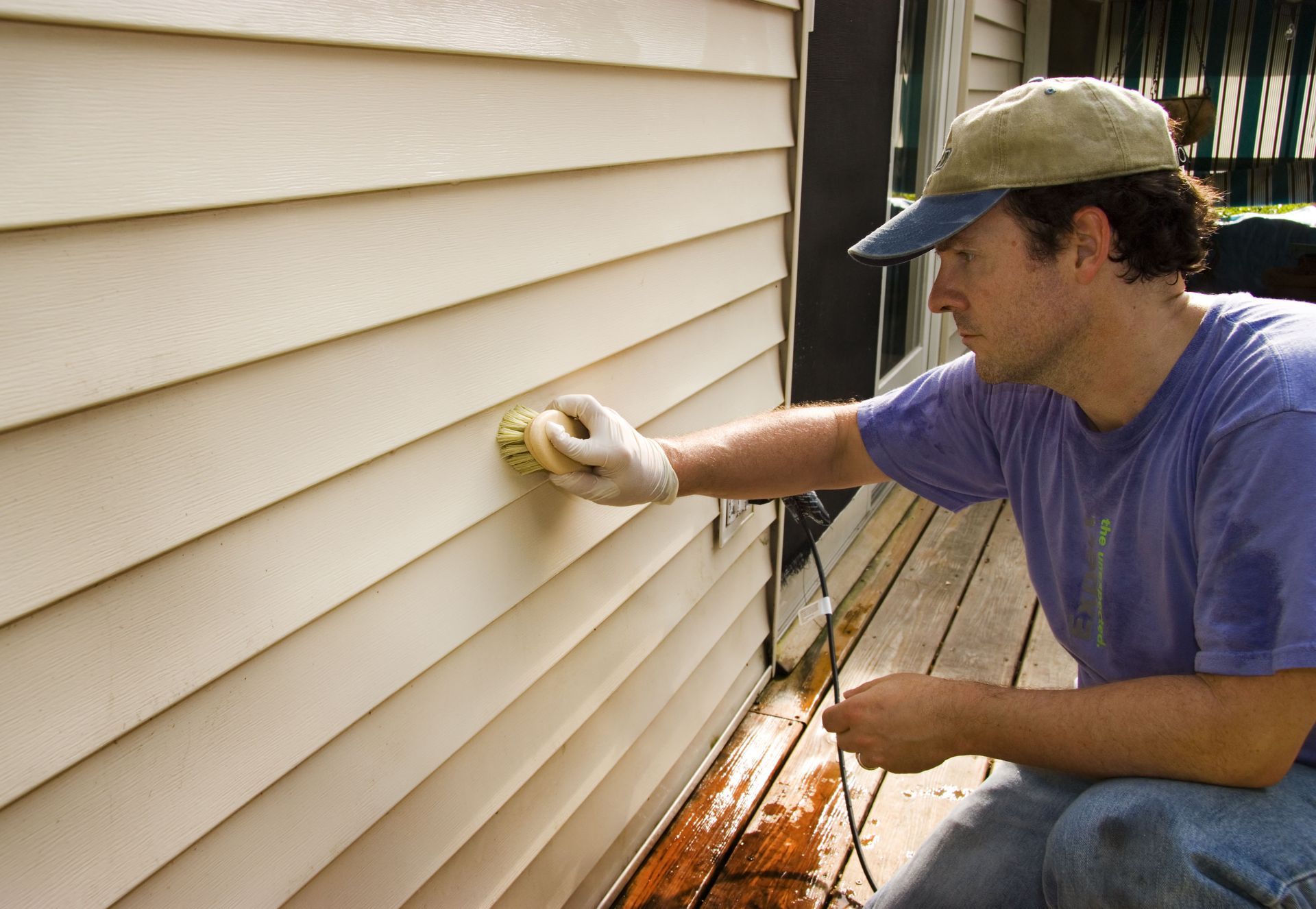
When it comes to cleaning vinyl siding, selecting the right cleaning solution is paramount. Look for products specifically formulated for vinyl siding to ensure effectiveness and safety. These solutions typically break down dirt and grime without the need for intense scrubbing. Avoid harsh chemicals like bleach or ammonia, as they can damage the siding's surface. According to This Old House, using a mild soap solution with a soft brush one or two times a year can be highly effective for regular maintenance.
Applying Pressure Washing Techniques
Pressure washing can be a quick way to clean large areas of home siding, but it must be done carefully. When using a pressure washer, keep the pressure low to prevent warping or cracking the panels. Maintain a steady distance and angle the spray downwards to avoid water seeping behind the siding. Always read the manufacturer's guidelines before using a pressure washer on vinyl siding to prevent accidental damage. Regular cleaning with this method can maintain the shine and functionality of your siding for years.
Watching for Warning Signs
Keeping vinyl siding in top shape goes beyond just washing it. Regular inspections are key. Check for cracks, loose panels, or gaps along seams that could let moisture in. Promptly addressing small issues can prevent bigger repairs down the line. For everyday upkeep, gently rinsing the siding with a garden hose can remove surface dirt and dust without the need for harsh chemicals. Pay special attention to areas near gutters, downspouts, and landscaping where debris tends to accumulate.
Following a Seasonal Schedule
A seasonal cleaning schedule is crucial to maintaining the structural integrity and appearance of your siding. Aim to clean your siding at least once or twice a year, preferably in the spring and fall. Regular cleaning helps prevent the accumulation of pollutants and mildew that can degrade the material over time. Adjust your schedule based on local weather conditions and surrounding environmental factors, such as nearby construction or trees. Consistent maintenance not only preserves aesthetics but also extends the longevity of your siding.
Tackling Stubborn Stains
Resilient stains from tree sap, bird droppings, or rust can be challenging and require dedicated spot cleaning. Identifying the type of stain early will aid in applying the correct treatment method. Use specialized cleaners designed for vinyl or a homemade paste of baking soda and water for tough spots. Gently scrub with a non-abrasive cloth until the stain is removed. Spot cleaning immediately upon noticing these stains prevents long-term damage and maintains the pristine look of your home siding.
2. Inspecting for Damage
Identifying Common Issues
Regular inspections can help prevent minor issues from escalating into major problems. Look for signs of damage such as cracks, warping, and loose panels. Cracks can allow moisture to enter, while warped panels might indicate heat damage or improper installation. Early detection of these issues enables timely repairs, reducing the need for more extensive replacements later. A vigilant eye can save homeowners time and money by addressing concerns before they worsen.
Checking Joints and Seams
Joints and seams are potential weak points in any siding system. Over time, these areas can become vulnerable due to temperature fluctuations and settling of the home. Regularly checking these spots for gaps or separations can prevent water infiltration, which can lead to mold and structural damage. Seal joints and seams properly with quality materials to maintain a weather-tight barrier. Consistent inspections ensure these critical areas remain intact, enhancing the overall durability of your siding.
Monitoring Mold and Mildew
Mold and mildew can thrive in the damp, shady parts of your home's exterior if left unchecked. Regularly inspect your home siding for any signs of these issues, especially after rainy seasons or in humid climates. The development of mold and mildew not only affects the aesthetics of your home but can also lead to health concerns and further material degradation. Prompt removal with appropriate solutions and tools can mitigate these problems before they escalate. Frequent inspections help maintain a clean, healthy, and visually appealing facade.
Evaluating Fading and Discoloration
Fading and discoloration can occur over time due to sun exposure and environmental pollutants. Regular evaluation helps recognize these changes early and consider protective measures. Some siding materials offer UV protection, reducing fading from sun exposure. Applying UV-blocking sealants and maintaining a clean surface can also prolong the vibrant appearance of your siding. Understanding and mitigating the causes of fading can enhance the longevity of your home's exterior color.
Scheduling Professional Inspections
Periodically hiring a professional for inspection ensures no issues go unnoticed. Professionals can pinpoint subtle signs of wear or potential problems that might be missed by an untrained eye. Establishing a regular inspection schedule with a licensed contractor can provide peace of mind. These experts can also offer advice on preventative measures and necessary repairs. Professional evaluations complement personal efforts, forming a comprehensive approach to siding maintenance.
3. Repairing and Replacing When Necessary
Fixing Minor Cracks and Holes
Small cracks and holes in vinyl home siding can be quickly addressed with a few simple tools and materials. Begin by cleaning the area thoroughly to remove dirt and debris that could interfere with the repair. Use a high-quality caulk in a color matching the siding to fill in cracks and holes, ensuring all gaps are sealed. Smooth the caulk with a damp cloth or your finger for an even finish. Prompt attention to these seemingly minor issues can prevent more costly damage in the future.
Replacing Damaged Panels
In cases of significant damage, replacing whole sections of siding might be necessary. The process typically involves carefully removing the damaged panels by unhooking them from adjacent sections. Before installing new panels, inspect the underlying structure for any additional issues or needed repairs. Secure the new panels by interlocking them with the existing siding and ensuring a snug fit. Adhering to the manufacturer's installation guidelines ensures compatibility and longevity.
Understanding Warranty Coverage
Familiarize yourself with the warranty terms provided by your siding manufacturer. Most vinyl siding warranties cover material defects and some labor costs for a specific period. Keep detailed records of installation and maintenance to ensure compliance with warranty conditions. Understanding your warranty can save money on unexpected repairs and replacements. Reach out to the manufacturer or installer with any questions regarding coverage details.
Gathering Tools and Materials
Repairing and replacing siding requires specific tools and materials to ensure quality results. Basic tools include a utility knife, a pry bar, and a siding removal tool for panel extraction. A caulking gun and matching caulk are essential for sealing purposes. Additionally, having spare panels and manufacturer-recommended adhesive enhances preparedness for any repair task. Equipping yourself with the right tools facilitates efficient and effective maintenance work.
Hiring a Professional Contractor
In some cases, repairs require the expertise of a professional contractor to ensure proper and lasting results. Look for licensed and experienced specialists who are well-versed in vinyl home siding maintenance and repair. Reviews, referrals, and quotes can help gauge the contractor's reliability and affordability. Clearly communicate your needs and expectations, and ensure a written contract covers all pertinent aspects of the job. Hiring the right professional ensures comprehensive and high-quality results.
Maintaining your vinyl home siding effectively involves regular cleaning, timely inspections, and preventive measures. By following these practical tips, you can ensure your home remains attractive and protected from the elements for years to come. Staying vigilant about maintenance preserves both the function and beauty of your home's exterior. Be sure to contact The Siding Guy for reliable siding expertise!